Why Black Female Country Singers Matter
Black female country singers have always been part of country music’s story, even when the industry did not give them enough space, radio play, or recognition. Country music is often marketed as one narrow tradition, but its roots are much wider. The sound of country has long been shaped by gospel, blues, folk, spirituals, work songs, and Southern storytelling.
Today, more listeners are discovering that Black women are not “new” to country music. They have been writing, singing, performing, and influencing the genre for decades. What is new is the wider attention they are finally receiving from fans, media, award shows, and streaming audiences.
This matters because representation changes how people understand the genre. When Black female country artists step onto major stages, release charting songs, or tell honest stories through country music, they remind listeners that country is not owned by one image, one background, or one sound.
The Deep Roots of Black Female Country Singers Women in Country Music
The history of country music cannot be separated from Black Female Country Singers musical traditions. The banjo, one of the most recognizable instruments in country and bluegrass, has deep African and African American roots. The Country Music Hall of Fame notes that the banjo is tied closely to African diasporic culture and the early development of American music.
Black women’s influence also connects through gospel vocals, blues phrasing, church harmonies, and folk storytelling. These elements helped shape the emotional style that country music is famous for today. The themes of hardship, family, faith, heartbreak, work, and survival are not separate from Black American musical history; they are deeply connected to it.
That is why the phrase “Black female country singers” should not be treated like a trend. It represents a long, overlooked part of the genre. These artists are not simply joining country music; they are reclaiming space in a genre their communities helped build.
Linda Martell: The Pioneer Who Opened the Door
Linda Martell is one of the most important names in this conversation. She became known as one of the first commercially successful Black Female Country Singers country artists and was the first Black woman to perform at the Grand Ole Opry. Her 1970 album Color Me Country remains a landmark project in country music history.
Martell’s career showed both her talent and the barriers Black women faced in Nashville. Her song “Color Him Father” reached No. 22 on Billboard’s Hot Country Singles chart, which was a major achievement at the time. Still, her career was limited by racism, industry politics, and a lack of long-term support.
Her legacy has gained renewed attention in recent years, especially after Beyoncé featured her on Cowboy Carter. For many younger listeners, that moment was an introduction to a singer who should have been widely celebrated decades earlier. Linda Martell’s story proves that Black women were present in country music long before the current spotlight arrived.
Modern Black Female Country Singers You Should Know
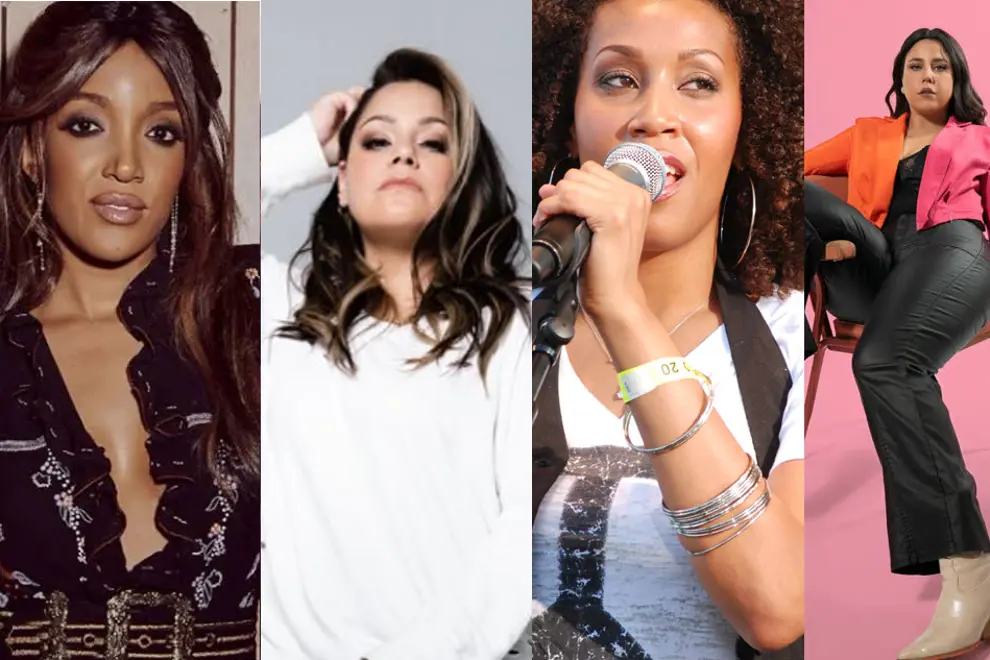
Mickey Guyton is one of the most visible Black Female Country Singers of the modern era. Her song “Black Like Me” brought national attention to her voice and message, and she became the first Black female solo artist nominated in a Grammy country category.
Rissi Palmer is another key artist. Her 2007 song “Country Girl” made her the first Black woman to appear on Billboard’s country charts since 1987, according to PBS. She has also helped amplify other artists through her Color Me Country platform, which highlights Black, Indigenous, and other underrepresented voices in country and Americana.
Brittney Spencer brings a smooth, modern, soulful sound to country music. She has been praised for her songwriting, live performances, and ability to blend country storytelling with R&B warmth. Reyna Roberts, Tanner Adell, Tiera Kennedy, Miko Marks, and Chapel Hart have also helped expand the sound and image of country music for a new generation.
Chapel Hart and the Power of Group Harmony
Chapel Hart deserves special attention because they brought Black Female Country Singers harmony to a huge mainstream audience. The trio from Mississippi gained national attention on America’s Got Talent with “You Can Have Him Jolene,” their playful response to Dolly Parton’s classic “Jolene.” They finished fifth on Season 17 and received major praise for their energy and originality.
Their music stands out because it feels traditional and fresh at the same time. They use strong family harmonies, Southern storytelling, and bold stage presence. That combination made them appealing to longtime country fans while also attracting people who may not usually follow country music closely.
Chapel Hart’s success also showed that fans are more open-minded than the industry sometimes assumes. When audiences hear great songs, strong vocals, and real personality, they respond. Their rise proved that Black women in country music can connect with wide audiences when given the platform.
Beyoncé and the Bigger Country Conversation
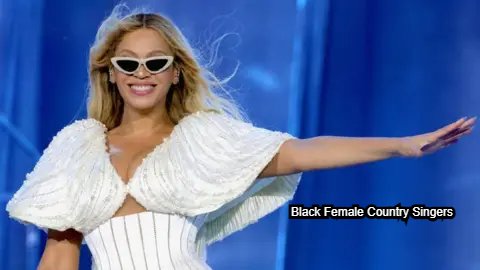
Beyoncé is not usually described only as a country singer, but her work with Cowboy Carter changed the public conversation around Black Female Country Singers women in country music. Her song “Texas Hold ’Em” made history by becoming the first song by a Black woman to top Billboard’s Hot Country Songs chart.
At the 2025 Grammy Awards, Cowboy Carter won Best Country Album, making Beyoncé the first Black woman to win that Grammy category. The album also won Album of the Year, giving the project an even larger cultural impact.
What made the moment even more powerful was that Cowboy Carter introduced many casual listeners to other Black country voices and to the history behind them. By featuring Linda Martell and including artists connected to country, folk, Americana, and roots traditions, Beyoncé helped push a wider audience to ask an important question: who gets to define country music?
Why These Artists Are Changing the Future of Country
Black Female Country Singers are changing country music by widening its emotional and musical range. Some lean traditional, using acoustic guitars, fiddle, steel guitar, and classic storytelling. Others mix country with pop, soul, R&B, rock, hip-hop, or Americana. That variety does not weaken country music; it makes it more honest.
The rise of communities like Black Opry has also helped create space for artists and fans who often felt left out of country music culture. Black Opry describes itself as a home for Black artists, fans, and professionals in country, Americana, blues, folk, and roots music.
This shift is not just about diversity for the sake of diversity. It is about accuracy, creativity, and fairness. Country music has always been a mix of cultures, sounds, and stories. Black Female Country Singers artists are helping the genre remember its full identity while also building its future.
Conclusion
Black Female Country Singers are not a side note in country music. They are part of the foundation, the evolution, and the future of the genre. From Linda Martell’s historic breakthrough to Mickey Guyton’s Grammy recognition, from Rissi Palmer’s advocacy to Chapel Hart’s joyful harmonies, these artists have added depth, truth, and power to country music.
Their stories also show how much talent can be overlooked when an industry holds onto narrow ideas about who belongs. For many years, Black women in country had to fight harder for visibility, airplay, and respect. Even today, the work is not finished, but the progress is clear.
Also Read: Kairo Walker